The number of food allergies is increasing in Australia, and manufacturers are forced to look for ingredients that would be not only effective but also safe. In this case, calcium sulphate will become an ideal choice for manufacturers who are looking for an efficient ingredient that will be harmless.
For a food manufacturer looking for a trusted calcium sulphate supplier, knowing the reasons why this mineral performs so effectively in allergen formulations will assist you in making better decisions.
This guide will give you information on why calcium sulphate is ideal for allergen-free foods, where it’s used, and what to watch for when buying it.
What is calcium sulphate?
Calcium sulphate is a naturally occurring mineral, containing calcium, sulfur and oxygen. In its food-grade form, it’s processed and purified specifically for use in edible products, not to be confused with the construction-grade gypsum used in plaster or drywall.
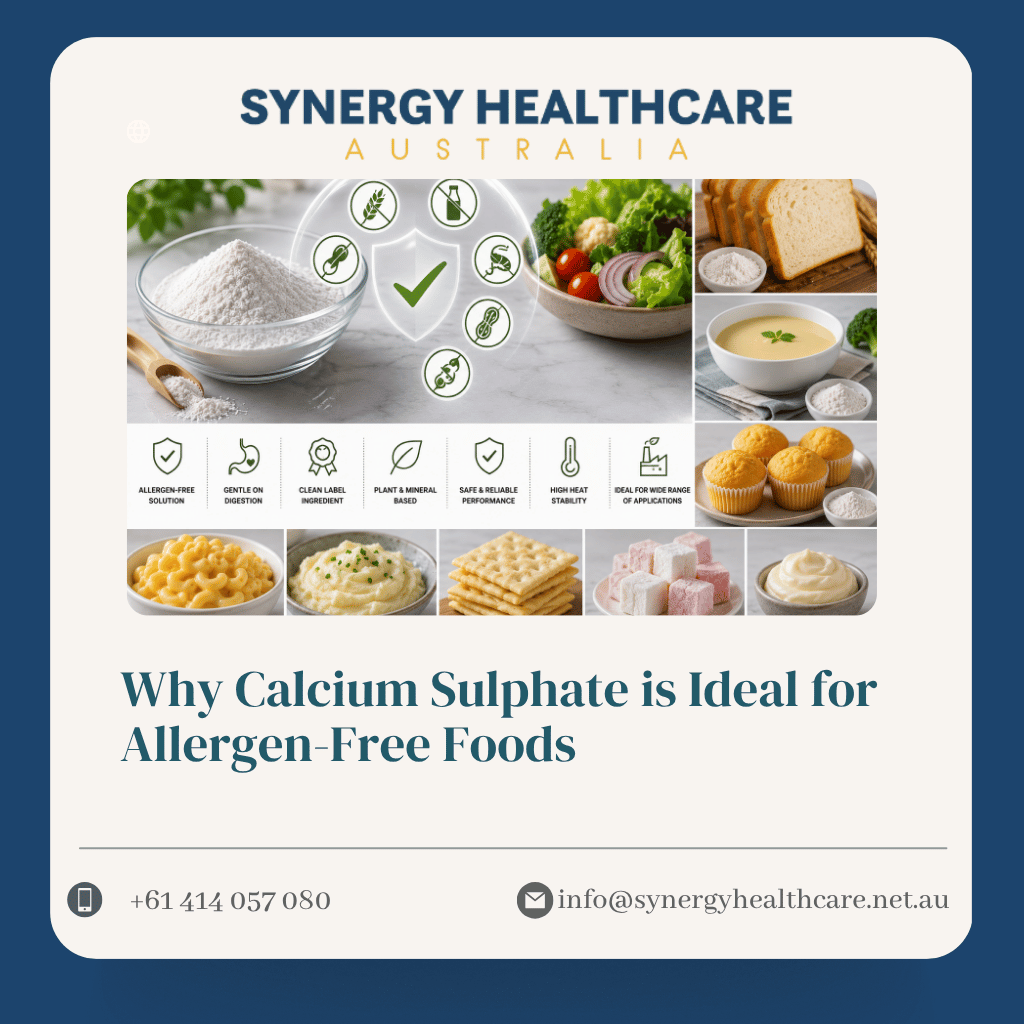
You’ll find it working quietly in:
- Tofu
- Bread and baked goods
- Plant-based milk
- Breakfast cereals
- Baking mixes
- Nutritional supplements
What makes it stand out is what it isn’t derived from. It has no link to milk, soy, wheat, peanuts, tree nuts, eggs, or seafood, which puts it well outside the usual allergen conversation.
Why Allergen-Free Foods Still Need Functional Ingredients?
Cutting an allergen out of a recipe sounds simple, but it rarely is. Remove dairy or gluten and you often lose the very things that held the product together.
Manufacturers still need to solve for:
- Texture
- Firmness
- Moisture control
- Shelf stability
- Nutrition
- Consistency
Calcium sulphate steps into that gap. It handles several of these jobs at once, without reintroducing the allergen risk manufacturers worked so hard to remove in the first place.
Why the Right Calcium Sulphate Supplier Matters?
Here’s something a lot of people don’t realise: not all calcium sulphate is created equal. Purity levels, particle size, and processing standards can vary a lot between suppliers.
Any reputable calcium sulphate supplier should provide you with:
- Food-grade quality
- Consistency within batches
- Documentation
- Testing
- Timely delivery
If you manufacture allergy-free food, this is not an insignificant aspect. One inconsistent batch can throw off texture, trigger a recall, or worse, put a genuinely at-risk consumer in danger. Choosing a supplier carefully protects both the product and the people eating it.
Key Benefits of Calcium Sulphate in Allergen-Free Foods
1. Naturally Free From Common Allergens
Calcium sulphate carries no gluten, dairy, nuts, eggs, fish, shellfish, or sesame. Because it comes from a mineral source rather than a plant or animal one, it simply sits outside the allergen picture altogether. That makes it usable across a wide range of specialised diets without extra risk.
2. Strengthens Texture Where It’s Needed Most
Anyone who’s tried baking gluten-free knows the struggle: crumbly loaves, weak structure, dough that won’t hold together. Calcium sulphate helps firm things up, giving baked goods, tofu, and processed foods a more stable bite.
3. A Genuine Source of Calcium
Cut dairy from a diet and you often cut a major calcium source with it. Calcium sulphate helps close that gap. It’s commonly added to plant-based milk, fortified cereals, and vegan products specifically to support bone health claims where regulations allow it.
4. Barely Touches the Flavour
Some mineral additives leave a chalky or bitter aftertaste behind. Calcium sulphate mostly doesn’t. That neutral taste profile matters in dairy alternatives, bakery items, and desserts, where the last thing a brand wants is an “off” note competing with the intended flavour.
5. Genuinely Versatile Across Categories
- Bakery – strengthens dough
- Tofu – acts as a coagulant
- Plant-based foods – boosts calcium, holds texture
- Instant foods – keeps products stable in storage
Few ingredients pull double or triple duty this consistently.
Practical Tips for Using Calcium Sulphate
- Buy food-grade only
- Choose an experienced supplier
- Follow dosage guidelines
- Run small trials first
- Keep allergen controls strict
- Store documentation properly
Small, consistent habits like these prevent big, expensive problems down the line.
Common Mistakes to Avoid
Using industrial-grade instead of food-grade. These are not interchangeable, and using the wrong one is a genuine safety issue, not just a quality one.
Picking suppliers on price alone. A cheaper batch that’s inconsistent can cost far more in wasted product and damaged trust.
Getting the dosage wrong. Too much calcium sulphate can throw off texture. Stick to tested formulation levels.
Forgetting about cross-contamination risk. While calcium sulphate does not contain any allergens, there are still other ways for the ingredients to become contaminated with allergens through sharing equipment.
How to Choose the Right Supplier
A reliable calcium sulphate provider will have the capability of providing you with:
- Food-grade quality
- Constant quality
- Technical assistance
- Stock reliability
- Compliance with regulations
- Documentation
In the long run, building a relationship with a supplier like this can work to your advantage.
Conclusion
As Australia’s allergen-free food market keeps growing, manufacturers need ingredients that genuinely deliver on safety, function, and nutrition, not just one or two out of three. Calcium sulphate checks all these boxes, quietly strengthening texture, boosting calcium content, and staying free from the allergens consumers are trying to avoid.
Working with a trusted calcium sulphate supplier makes all the difference here. This is what comes in between a steady and compliant product and formulation issues that can cost you a lot.
When it comes to sourcing food-grade materials for your next allergen-free product, Synergy Healthcare will come in handy. You need to contact the Synergy Healthcare crew to discuss how they can serve you.
FAQs
- Why is calcium sulphate common in allergen-free foods?
It has no allergens but improves texture, structure, and calcium in the food item. Also, a trusted calcium sulphate supplier ensures consistency of quality with each batch of products.
- Is calcium sulphate safe to consume?
Yes. The food grade calcium sulphate is a safe food ingredient as per the Australian food standards.
- Which foods contain calcium sulphate?
It is found in tofu, bread, cereals, plant milk, baking flour, and other processed foods.
- Does it affect the taste of the food?
Not at all. It has a neutral taste, which is precisely the reason why it is so effective in dairy-free and bakery foods.
- What should the food producers look for in their suppliers?
Food grade certificate, proper testing, constant supply, and compliance with the laws of Australia.